Have a Technical Question? Talk to an Engineer




Our Engineer Team
Get help with probe selection, compatibility, installation, integration, or application requirements.

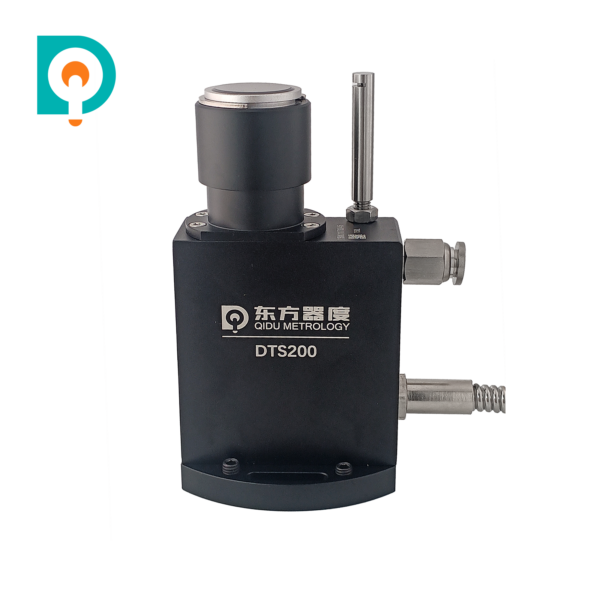
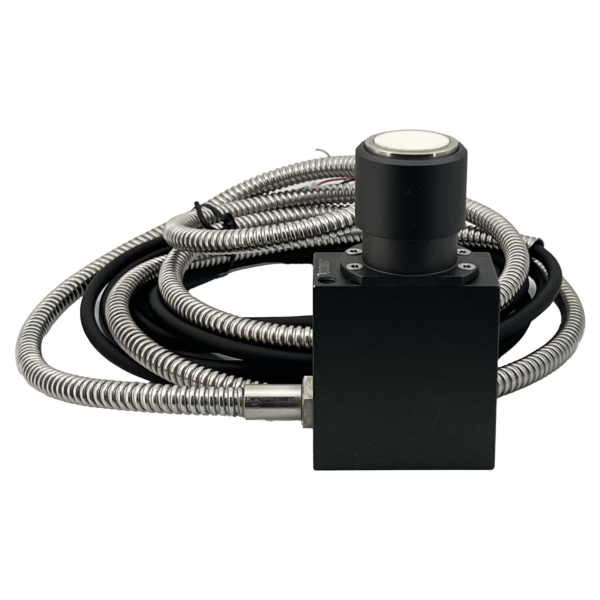
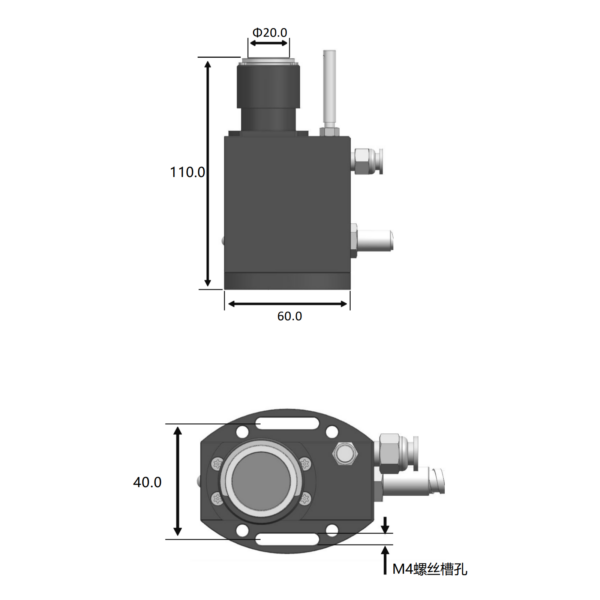
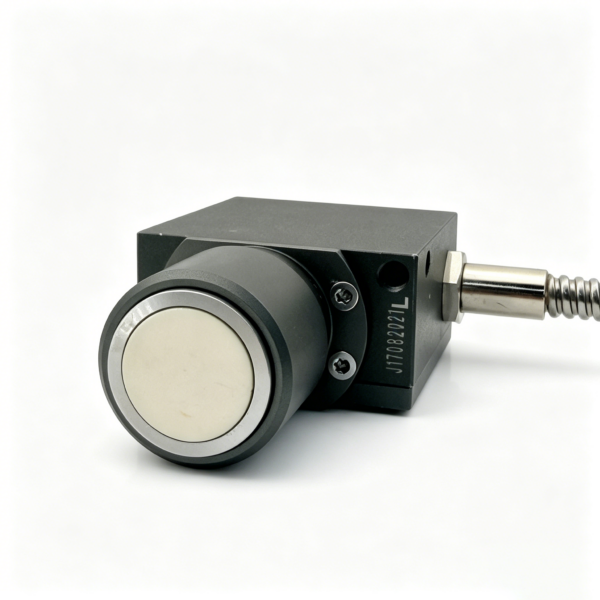
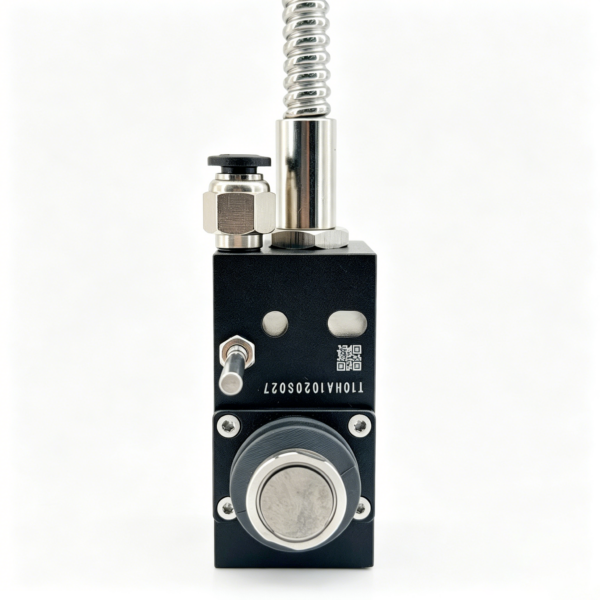
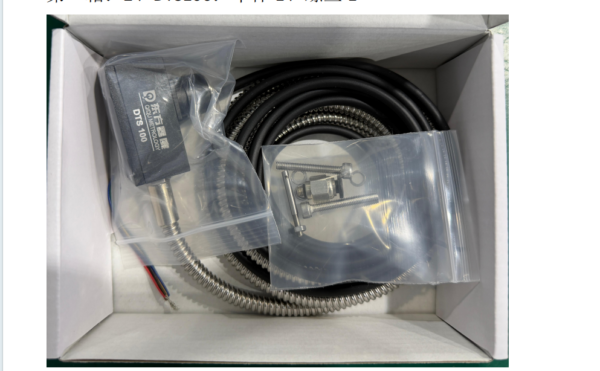
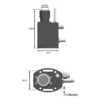
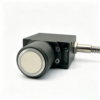
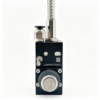
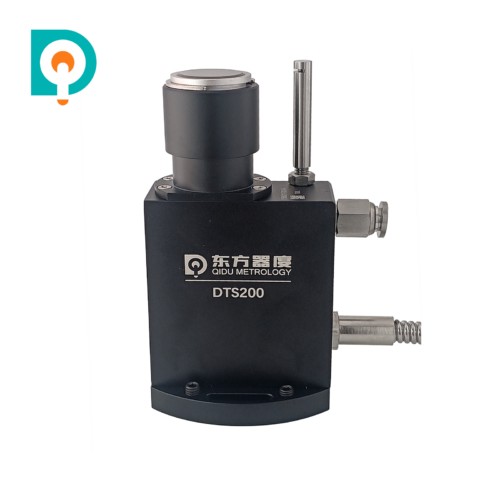
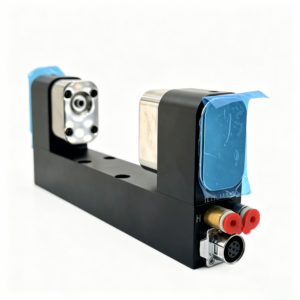
DTS200 Z-axis contact tool setter supports automatic tool length measurement and programmed tool breakage checks. It features a Ø20 mm tungsten carbide pad, <1 μm (2σ) repeatability at 50 mm/min, an 11 mm stroke, normally open output and IP68 sealing.
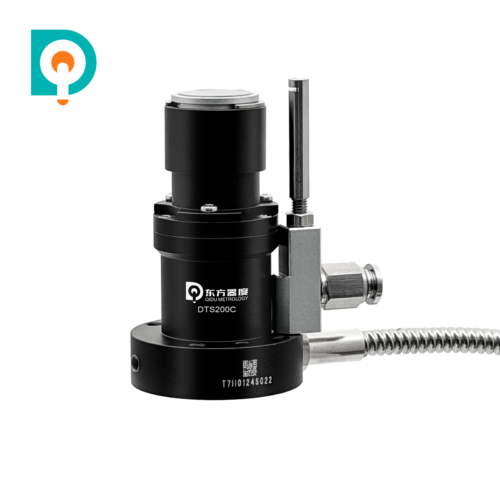
DTS200 is a wired Z-axis CNC tool setter designed for automatic tool length measurement, tool offset setting and contact-based tool checks in machining centers. Its Ø20 mm tungsten carbide contact pad detects a cutting tool approaching along the +Z direction and provides a trigger signal through a normally open (NO) electrical output.
The DTS200 offers specified repeatability below 1 μm (2σ) at a probing speed of 50 mm/min. A 0.7 mm pre-stroke, 11 mm axial stroke and 5.5 mm trigger protection distance define the contact movement characteristics. The housing is rated IP68, and the connection uses a 5 m oil-resistant, six-core cable with a protective conduit.
With suitable controller inputs and measurement macros, the DTS200 can support tool length setting, offset verification and basic tool breakage checks. Qidu provides application review, installation guidance, controller integration assistance and troubleshooting. Confirm the mounting arrangement, cable routing and compatible control interface before ordering.
|
The DTS200 is a Z-axis contact tool setter designed for automatic tool length measurement, tool offset setting and programmed tool length verification on CNC machining centers. With suitable controller macros, it can also support basic tool breakage checks.
The DTS200 has specified repeatability below 1 μm (2σ) at a probing speed of 50 mm/min. This value represents measurement consistency under defined operating conditions rather than absolute measurement accuracy.
The DTS200 features a 20 mm diameter tungsten carbide contact pad. The contact surface is designed for repeated tool-setting operations, with its suitability depending on cutting-tool geometry and the measurement approach.
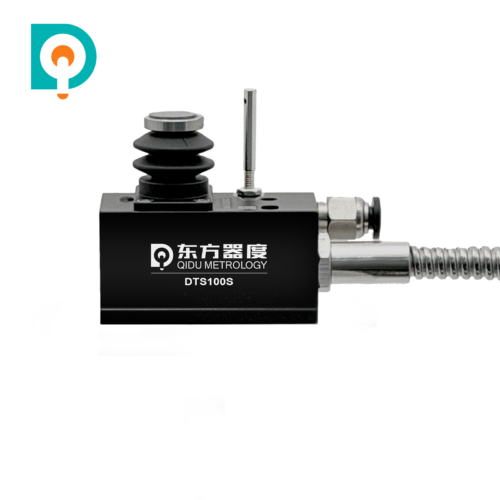
The DTS200 features a larger contact pad, longer axial stroke and normally open electrical output compared with the DTS100.
The DTS200 has a 20 mm pad, 11 mm stroke and NO output. The DTS100 has a 10 mm pad, 6 mm stroke and NC output. Both have specified repeatability below 1 μm (2σ) at 50 mm/min.
The DTS200 is specified for +Z triggering and is primarily intended for tool length measurement. It should not be described as a multidirectional tool setter for direct X/Y contact measurements.
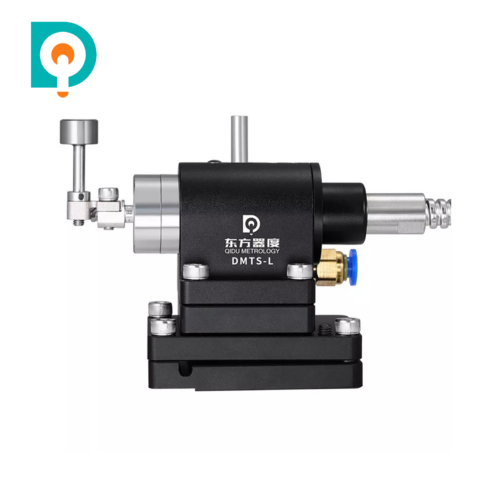
For applications requiring both tool length and diameter measurement, Qidu offers multidirectional models such as the DMTS-L and DMTS-R.
The DTS200 uses a six-core wired connection with a normally open (NO) contact output. Its specified electrical contact rating is DC 24 V at a maximum of 20 mA for a resistive load, with 10 mA recommended. The wiring and input configuration must be verified for each machine.
Yes, when integrated with suitable CNC measurement cycles. A programmed tool length check can compare the measured value against a reference to help detect significant tool length deviations. Detection depends on tool geometry, measurement methods and configured tolerances.
The DTS200 uses hard-wired signal transmission. A wireless receiver is not required. No battery configuration is specified for this model, although the controller input and electrical interface must be configured correctly.
Qidu provides integration assistance for major CNC control platforms, including FANUC and Siemens. Compatibility depends on the specific machine controller, available electrical inputs, measurement macros and installation requirements.
| Specification | DTS200C | DTS200 | DTS100 |
| Contact Pad Diameter | Ø20 mm | Ø20 mm | Ø10 mm |
| Trigger Direction | +Z | +Z | +Z |
| Repeatability | <1 μm (2σ) | <1 μm (2σ) | <1 μm (2σ) |
| Test Speed | 50 mm/min | 50 mm/min | 50 mm/min |
| Pre-Stroke | 0.7 mm | 0.7 mm | 0.5 mm |
| Z-Axis Stroke | 8.5 mm | 11 mm | 6 mm |
| Trigger Protection Distance | 5.5 mm | 5.5 mm | 3.5 mm |
| Trigger Force | 2.2 N | 2.2 N | 1.8 N |
| Electrical Output | NO | NO | NC |
| Overall Height Shown | 83.9 mm | 110.0 mm | 43.0 mm |
| Housing / Mounting | Cylindrical / Round Base | Rectangular | Rectangular |
| Protection Rating | IP68 | IP68 | IP68 |