Have a Technical Question? Talk to an Engineer




Our Engineer Team
Get help with probe selection, compatibility, installation, integration, or application requirements.

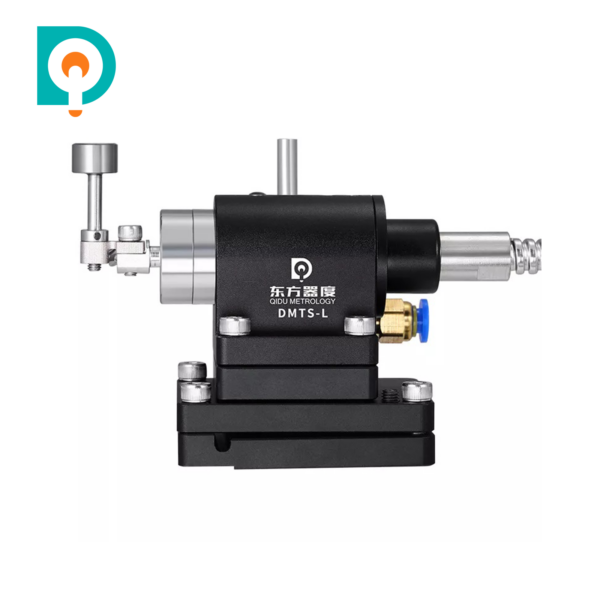
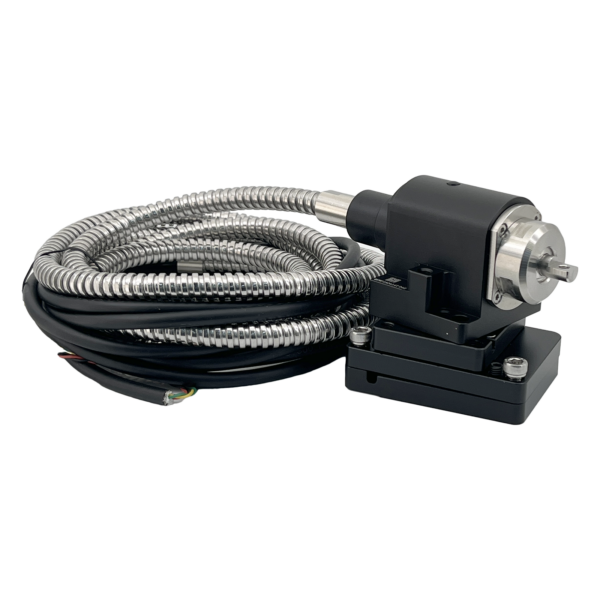
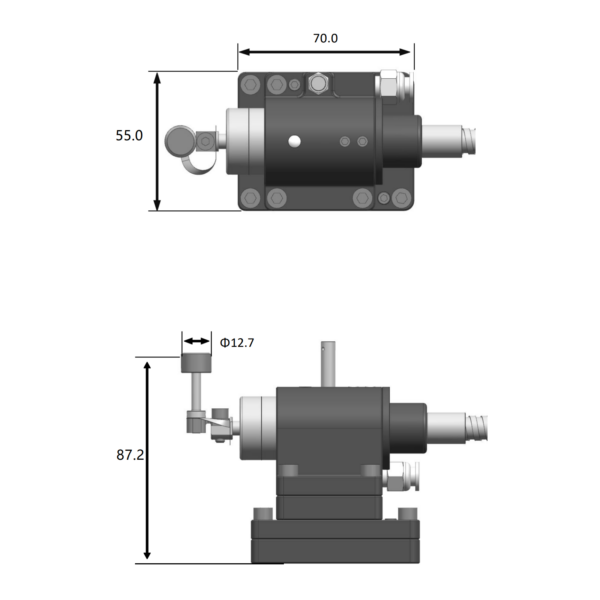
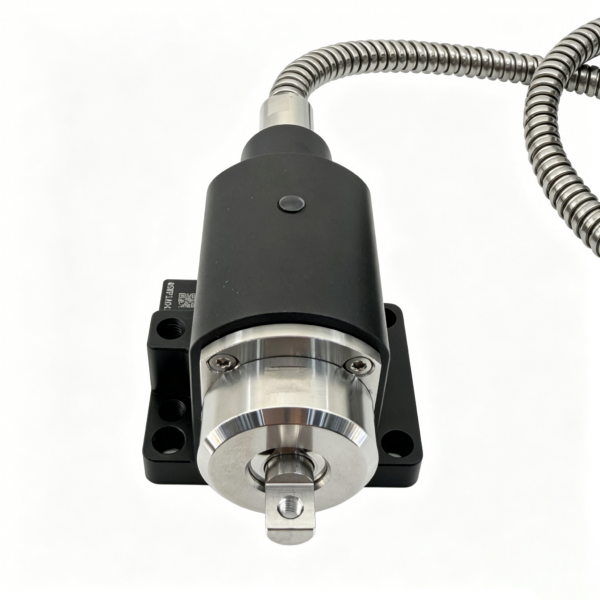
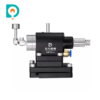
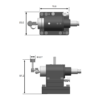
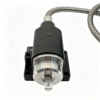
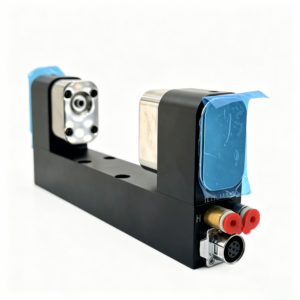
DMTS-L 3D wired CNC tool setter supports tool length and diameter measurement through ±X, ±Y and +Z contact triggering. It offers repeatability below 1 μm (2σ) at 30 mm/min, a 5 m oil-resistant six-core cable, normally open output and IP68 protection.
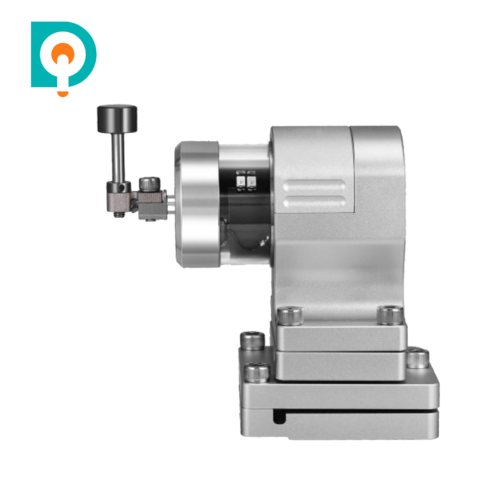
DMTS-L is a 3D wired CNC tool setter developed for contact-based tool measurement on CNC machining centers. Mounted at a suitable location inside the machine, it supports tool length setting and tool diameter measurement through probing cycles configured for the tool, machine and controller.
Unlike a Z-axis-only tool setter, the DMTS-L detects contact in the ±X and ±Y directions as well as the +Z direction. Its normally open (NO) output sends a trigger signal through a wired connection, while an LED indicates probe activation.
The specified repeatability is below 1 μm (2σ) at a measuring speed of 30 mm/min. Other documented features include a 5 m oil-resistant six-core cable, IP68 sealing, a carbide contact pad and a mechanical trigger life exceeding 10 million cycles.
Qidu provides application advice, installation guidance and CNC integration support. Confirm the machine’s input requirements, probing macros, mounting clearance and cable routing before selecting the configuration.
|
The DMTS-L is a contact-based CNC tool setter designed to support automatic tool length measurement, tool diameter measurement and tool offset verification. Its three-directional triggering capability allows measurement routines to approach the sensing element along the supported X, Y and Z directions.
A Z-axis contact tool setter primarily detects tool contact along the Z direction for tool length setting. A 3D tool setter such as the DMTS-L supports additional lateral triggering in the X and Y directions, allowing suitable measurement routines to evaluate tool diameter as well as length.
The DMTS-L has specified repeatability below 1 μm (2σ) at a measurement speed of 30 mm/min. Repeatability indicates consistency under defined measurement conditions and should not be confused with absolute measurement accuracy.
The DMTS-L uses a six-core wired connection with a normally open contact output. The published electrical rating is DC 24 V at a maximum of 20 mA for a resistive load, with 10 mA recommended. Connection to a particular CNC control system should follow verified wiring and interface requirements.
Yes. Its ±X, ±Y and +Z triggering directions allow it to support tool length and diameter measurement using appropriately configured CNC measurement cycles. The actual functions depend on the available controller software, macros, tool geometry and machine configuration.
Qidu provides integration support for CNC control platforms including FANUC and Siemens. Compatibility with the DMTS-L should be checked for the specific machine controller, probe input
The DMTS-L uses wired signal transmission rather than a radio or infrared receiver. No battery specification is listed in the supplied technical sheet. Electrical power and interface requirements should be confirmed from the installation documentation.
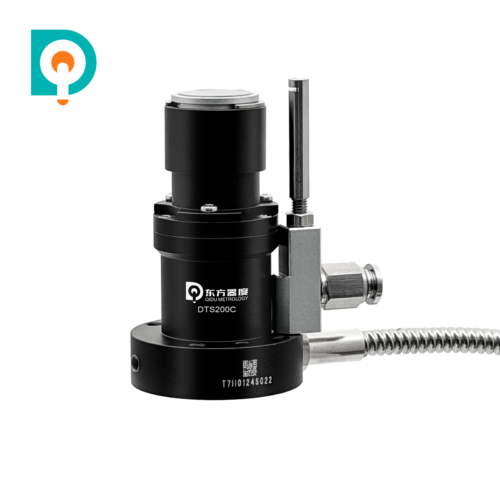
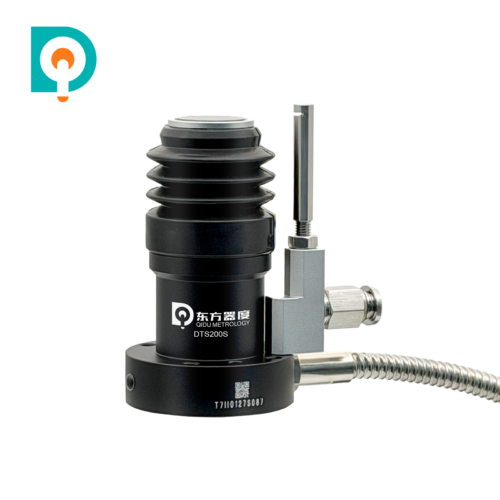
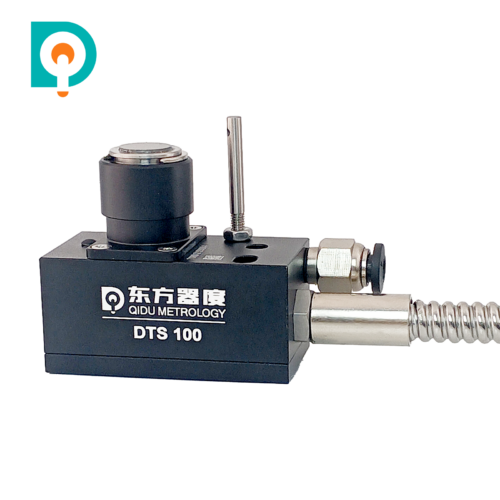
| Specification | DTS200C | DTS200 | DTS100 |
| Contact Pad Diameter | Ø20 mm | Ø20 mm | Ø10 mm |
| Trigger Direction | +Z | +Z | +Z |
| Repeatability | <1 μm (2σ) | <1 μm (2σ) | <1 μm (2σ) |
| Test Speed | 50 mm/min | 50 mm/min | 50 mm/min |
| Pre-Stroke | 0.7 mm | 0.7 mm | 0.5 mm |
| Z-Axis Stroke | 8.5 mm | 11 mm | 6 mm |
| Trigger Protection Distance | 5.5 mm | 5.5 mm | 3.5 mm |
| Trigger Force | 2.2 N | 2.2 N | 1.8 N |
| Electrical Output | NO | NO | NC |
| Overall Height Shown | 83.9 mm | 110.0 mm | 43.0 mm |
| Housing / Mounting | Cylindrical / Round Base | Rectangular | Rectangular |
| Protection Rating | IP68 | IP68 | IP68 |