Have a Technical Question? Talk to an Engineer




Our Engineer Team
Get help with probe selection, compatibility, installation, integration, or application requirements.

A non-contact laser tool setter can cut setup time, catch broken tools before they scrap a part, and keep tool offsets accurate across a long run.
A non-contact laser tool setter can cut setup time, catch broken tools before they scrap a part, and keep tool offsets accurate across a long run. But the datasheets for different models look alike, and a poor match can cost you months of frustration. This checklist covers what to confirm before you buy.
Start with the smallest and largest tools you actually run. The range has to cover both ends, with some room for future work.
Small tools matter most here. If you machine micro-features with end mills under 0.1 mm, you need a unit rated for that. If you run face mills or large cutters, you need a wider measuring zone.
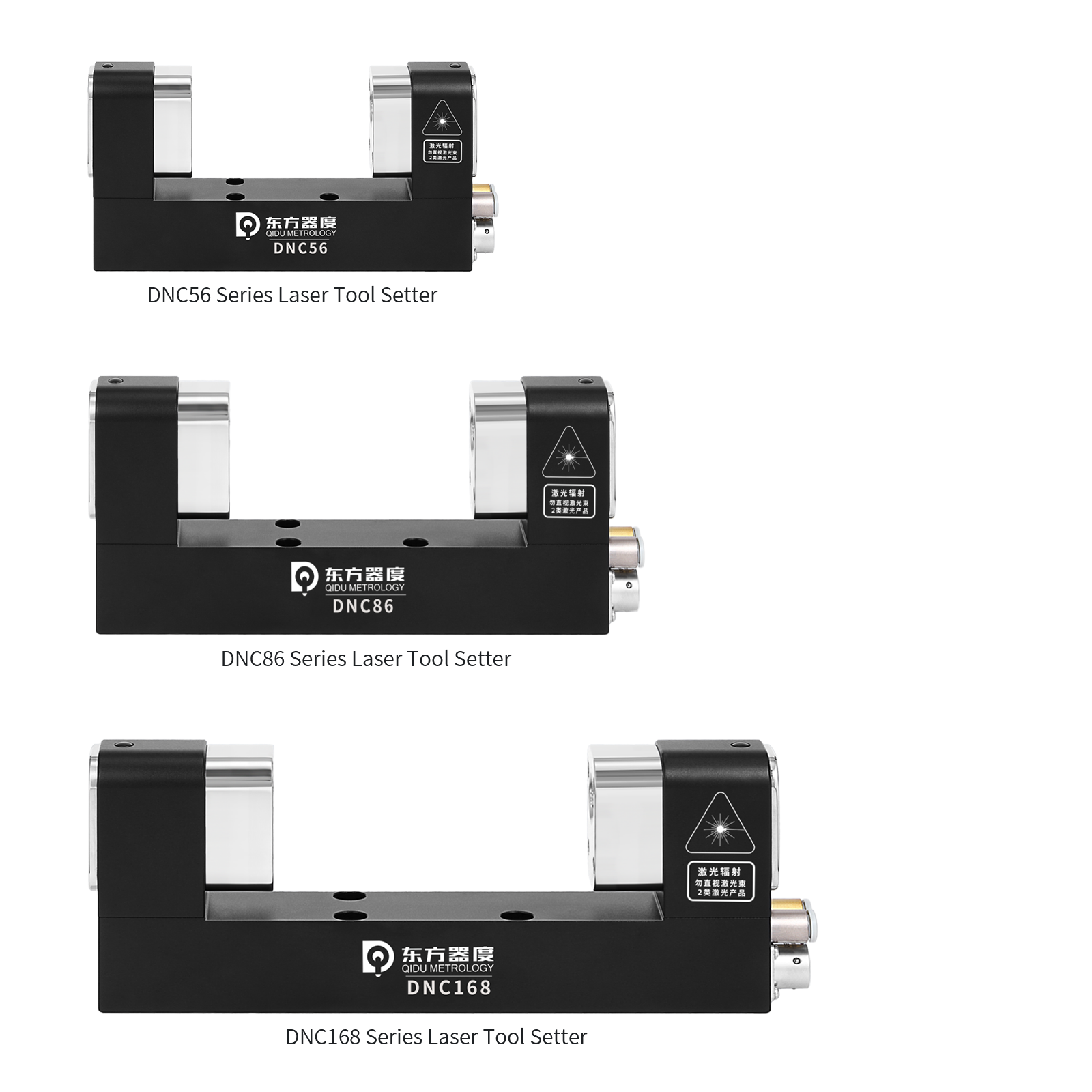
Qidu’s laser tool setter series is split by range:
| Model | Tool Diameter Range | Best Suited For |
|---|---|---|
| DNC56 | Ø0.06–50 mm | Small to mid-size tooling, fine-detail work |
| DNC86 | Ø0.06–80 mm | Mixed tooling across a wider size range |
| DNC168 | Ø0.1–160 mm | Large-diameter cutters and heavy-duty machining centers |
The pattern is that the largest-capacity unit gives up a little at the small end (Ø0.1 mm minimum instead of Ø0.06 mm). If your work is mostly micro-tooling, check the lower limit as carefully as the upper one.
Almost every laser tool setter advertises repeatability, and the figures look impressive. Read them carefully.
Repeatability tells you how consistently the system returns the same reading under defined test conditions. It is not the same as absolute measurement accuracy. Real-world results also depend on your machine’s thermal behavior, spindle runout, tool cleanliness, and how well the system is calibrated.
The Qidu DNC56, DNC86 and DNC168 all list repeatability below 1 μm (2σ). When comparing brands, ask:
A supplier that states the test basis plainly is usually more trustworthy than one that quotes a single bold number.
Hardware is only half the system. A laser tool setter needs macros or measurement cycles in your control to be useful. Without them you have a sensor, not an automated workflow.
Before buying, confirm:
Don’t skip this step. A technically excellent unit that your control can’t talk to will sit in a drawer.
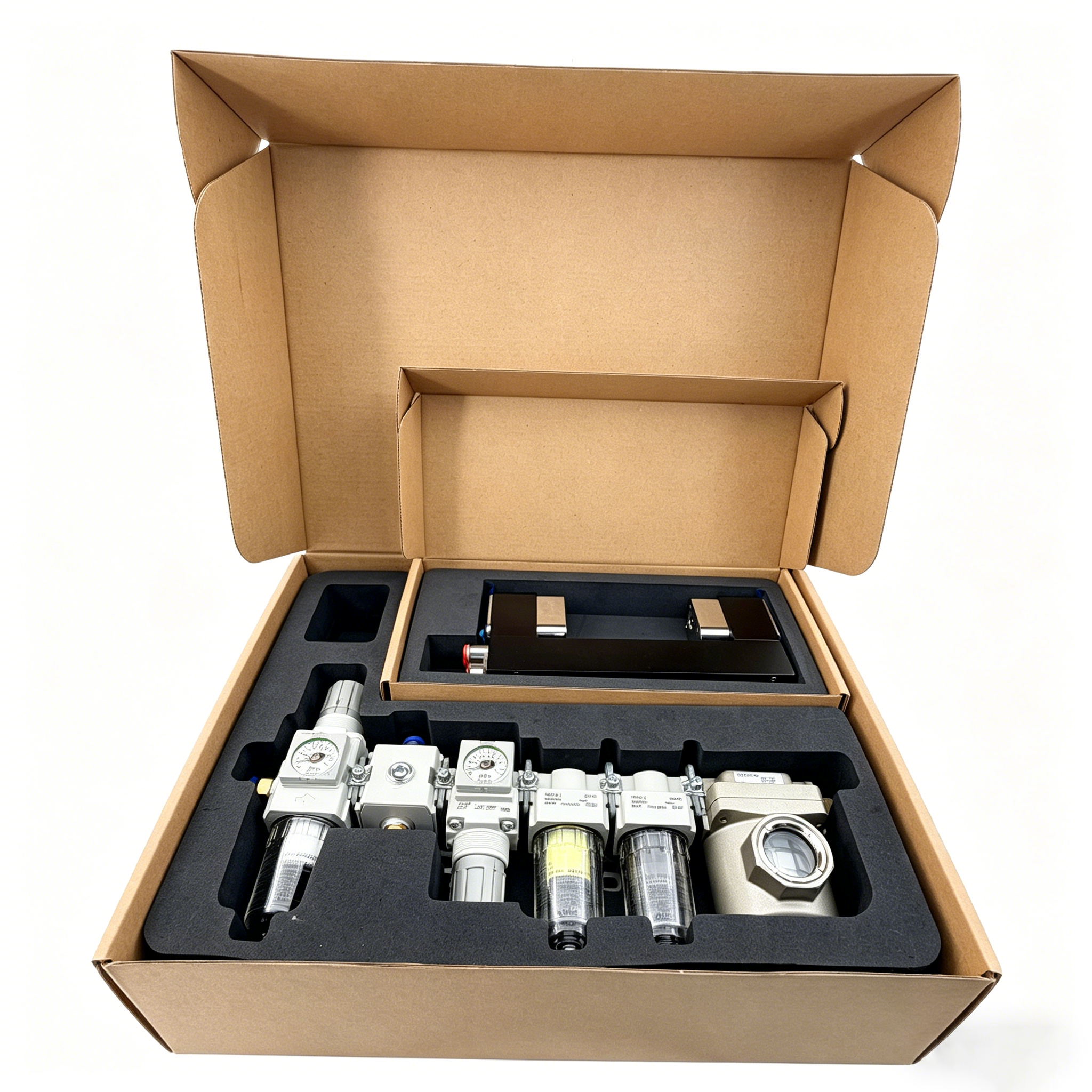
A tool setter lives in the harshest part of the machine, surrounded by coolant, chips, oil mist and swarf. The optics have to stay clean enough to measure reliably.
Look for two things:
Poor air quality is one of the most common causes of unreliable laser measurement. Budget for a proper air supply, not just the tool setter.
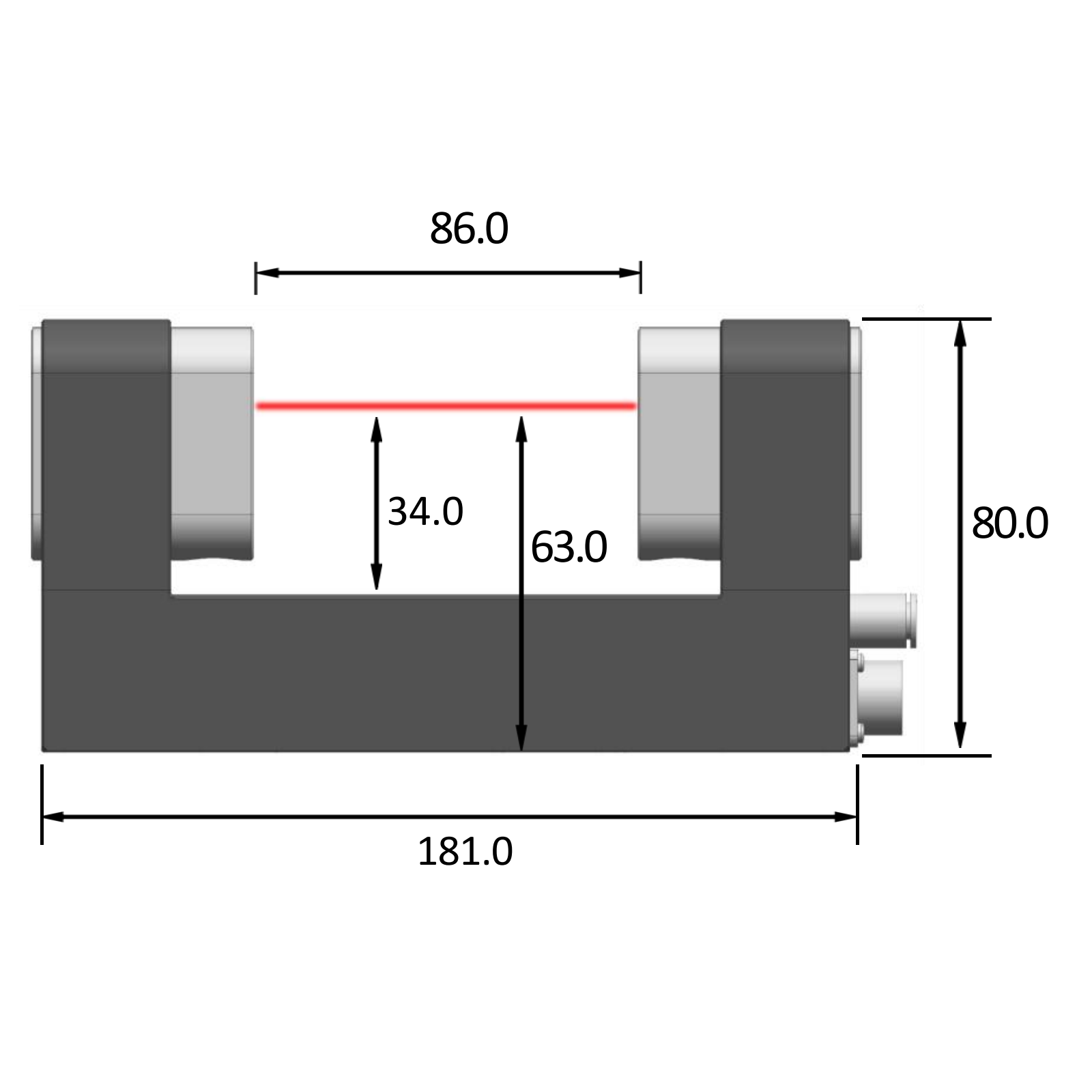
Installation details seem minor until your machine builder or integrator hits them. Check:
Look at the laser itself and the temperature range it is built for.
If your facility has formal laser safety requirements, ask the supplier for the relevant classification and documentation.
Finally, define the jobs the tool setter has to perform. Most laser systems support:
If you run lights-out or unattended machining, broken-tool detection can be the feature that pays for the system. If you mostly do short-run setup, fast length and diameter measurement may matter more.
Also ask what happens after the sale. Look for a supplier that offers installation guidance, commissioning help, sample macros and responsive technical support.
Before you request a quote, have these answers ready:
All three share the same core platform: below 1 μm (2σ) repeatability, a 680 nm laser below 1 mW, IP68 sealing, 24 V DC power and an 8 m shielded cable. The main difference is measuring range, so the choice usually comes down to your tooling:

The best laser tool setter is the one that fits your tools, your controller and your shop environment, with the support to get it running properly. Work through these seven checks first, and a quote request becomes much more productive.
Not sure which model fits your machine? Send your controller type, tool range and application details to the Qidu engineering team through the product pages above, and they can help you match the right unit and macros.