Have a Technical Question? Talk to an Engineer




Our Engineer Team
Get help with probe selection, compatibility, installation, integration, or application requirements.

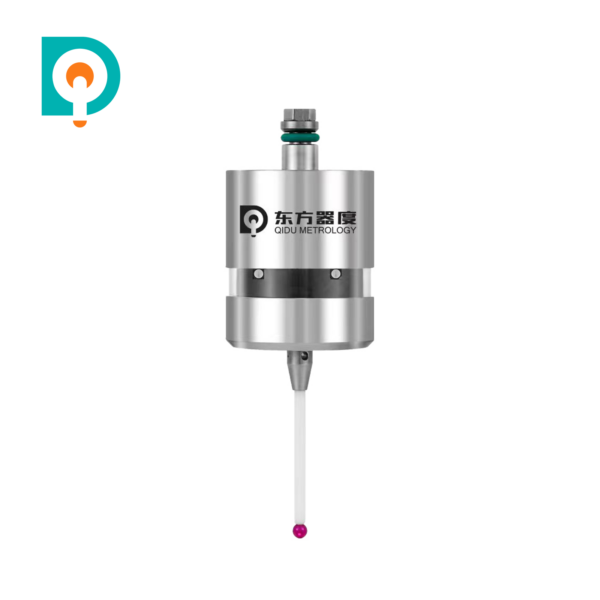
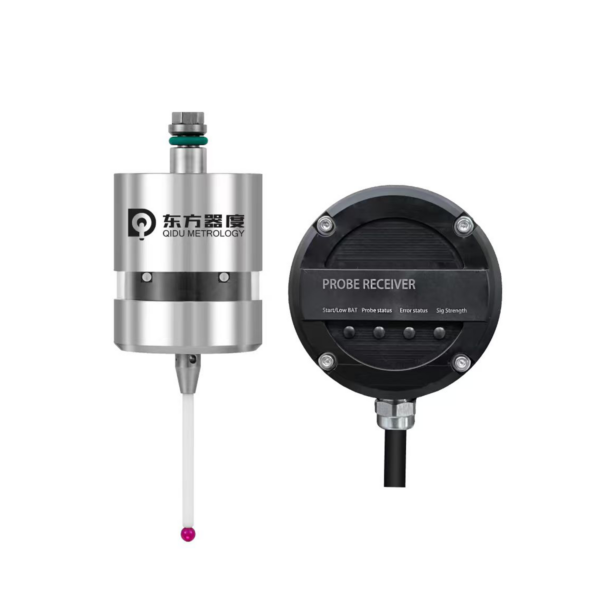
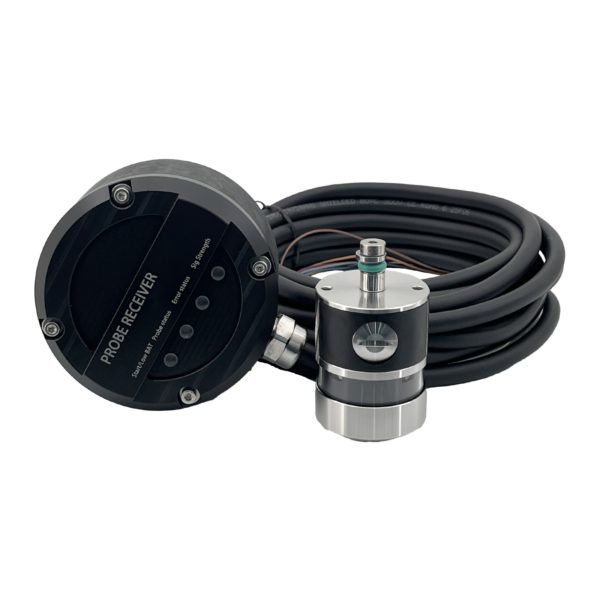
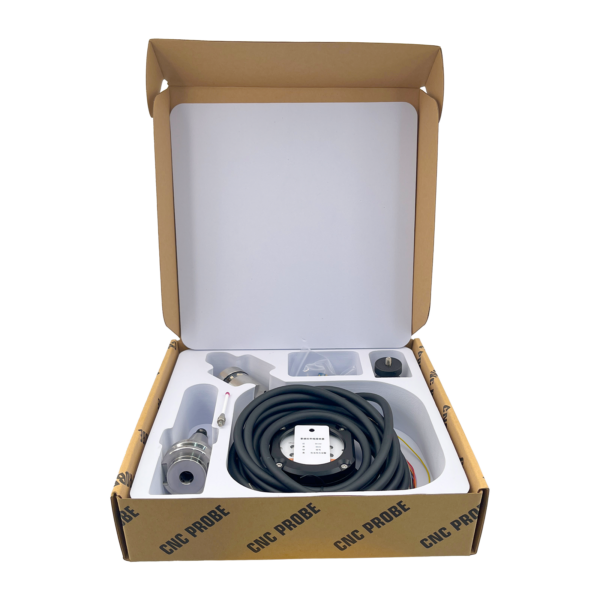
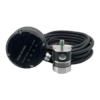
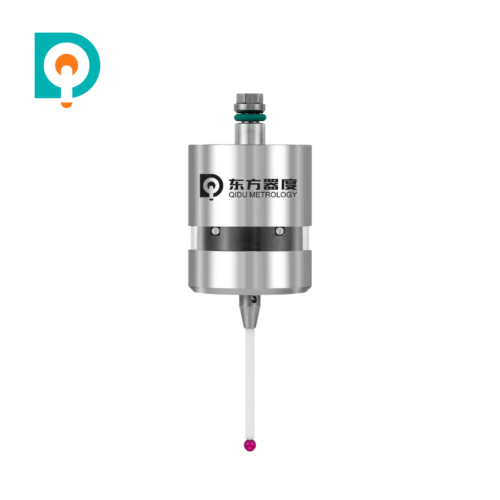
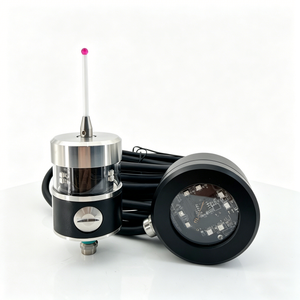
DRP40-P2 radio CNC touch probe uses 2.4 GHz frequency hopping and a dedicated receiver for on-machine workpiece measurement. It offers a 15 m operating range, IP68 protection and repeatability below 1 μm under specified test conditions.
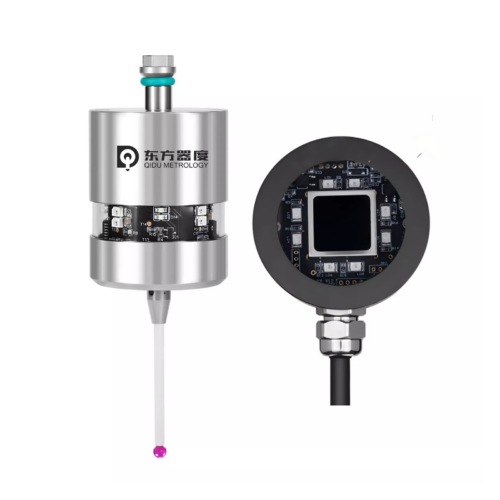
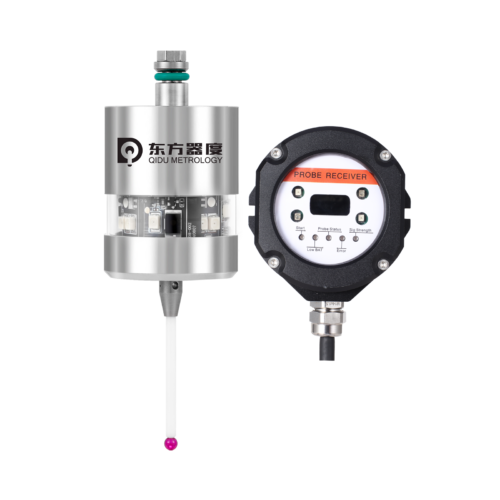
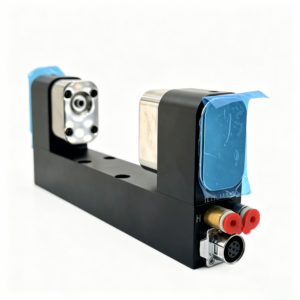
DRP40-P2 is a radio transmission CNC touch probe developed for automated workpiece setup and on-machine measurement in CNC machining centers. It communicates with a dedicated receiver over a 2.4 GHz radio link, helping reduce the positioning constraints associated with optical line-of-sight transmission.
The system uses smart frequency hopping across 83 frequency channels and provides a specified operating range of 15 m. M-code activation supports integration into programmed probing sequences when the machine controller, receiver connections and measurement macros are correctly configured.
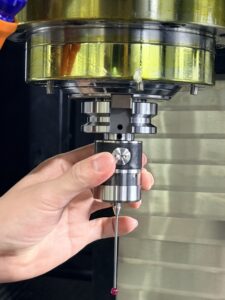
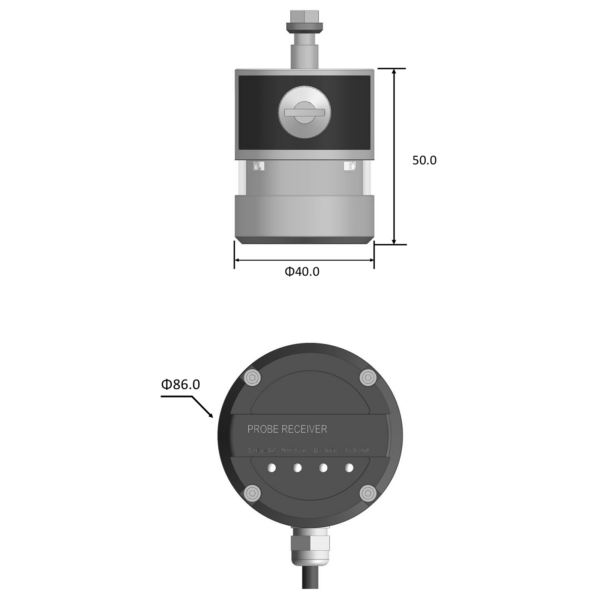
With repeatability specified below 1 μm using a 50 mm stylus at a probing speed of 50–200 mm/min, the DRP40-P2 supports consistent contact measurements under defined conditions. Its IP68-rated sealing, 40 mm probe body diameter and battery-powered design suit use in CNC machining environments.
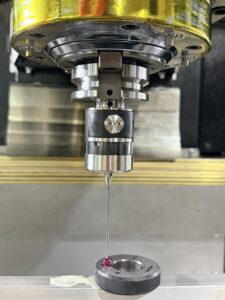
Typical applications include workpiece datum setting, part positioning and dimensional checks. Qidu provides technical guidance for system selection, installation, controller integration and troubleshooting.
|
The DRP40-P2 is designed for automated workpiece setup, datum setting, positioning and on-machine measurement in CNC machining centers. Its radio transmission system allows the probe to communicate with a dedicated receiver during supported measurement cycles.
The DRP40-P2 uses 2.4 GHz radio transmission with smart frequency hopping across 83 frequency channels. Its dedicated receiver transfers the probe signal to the CNC control system through appropriately configured connections.
The specified radio operating range is 15 m. Actual communication performance depends on receiver placement, machine structures, radio interference and installation conditions.
Radio probes transmit signals using radio frequencies and do not require the direct optical line of sight typically associated with infrared probes. This can make radio probing more suitable for machines with complex fixtures or restricted optical visibility.
Qidu supports integration with major CNC control platforms, including FANUC and Siemens. However, compatibility for the DRP40-P2 must be verified against the specific controller, machine interface, receiver wiring and available measurement macros before installation.