Contact Tool Setters for CNC Tool Measurement and Setup
Contact Tool Setters automate cutting tool measurement directly inside CNC machines. They support tool-length measurement, offset setting, and broken-tool checks, with diameter measurement available on suitable multi-directional systems. Explore QIDU’s Z-axis, 3D wired, and radio tool-setting solutions to find the right configuration for your machining application.
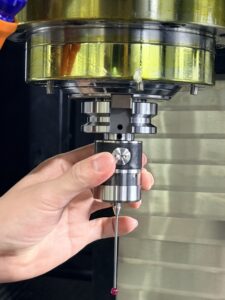
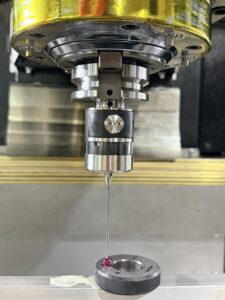
Contact tool setters measure cutting tools through controlled physical contact with a sensing surface or stylus. When the tool reaches the trigger point, the sensor generates a signal that the CNC control uses during a programmed measurement cycle.
1
Tool approachThe CNC machine moves the cutting tool toward the calibrated tool setter at a controlled feedrate.
2
Trigger detectionContact activates the sensor, and the signal reaches the CNC control through a suitable interface.
3
Measurement processingThe measurement cycle calculates the required tool data and may update offsets or report an abnormal condition.
The tool setter detects contact; the CNC measurement software performs the calculations. Proper calibration and integration are essential.
What Can an On-Machine Tool Setter Measure and Detect?
A CNC tool setter can support several measurement functions, depending on its triggering directions, sensor design, and available machining cycles.
Automatic Tool Offset Setting
Measurement software can calculate or update tool offsets, helping reduce incorrect tool data and supporting remeasurement after tool replacement.
Tool-Length Measurement
Establish cutting tool length relative to a calibrated reference, reducing manual tool-setting operations and helping maintain consistent machining setup.
Tool Breakage Detection
Programmed checks can identify missing or significantly shortened tools before subsequent machining operations, potentially preventing further defective parts.
Tool Diameter and Radius Measurement
Suitable multi-directional tool-setting probes can measure tool diameter or radius through supported measurement routines, including rotating-tool measurements where applicable.
Tool wear compensation and more detailed tool-condition monitoring require appropriate measurement strategies and CNC software; they are not standalone functions of every sensor.
Which Contact Tool Setter Type Is Right for Your Application?
Selecting the right system involves two separate decisions: the required measurement directions and the signal transmission method.
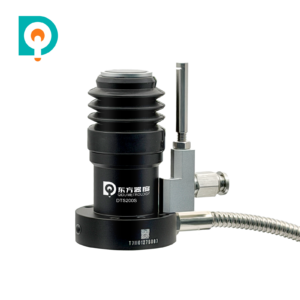
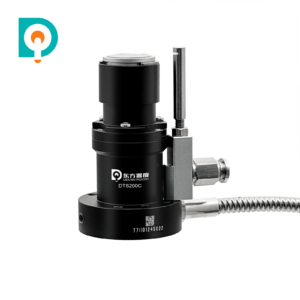
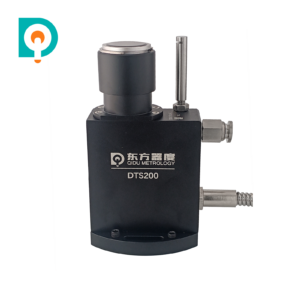
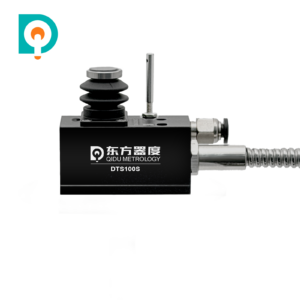
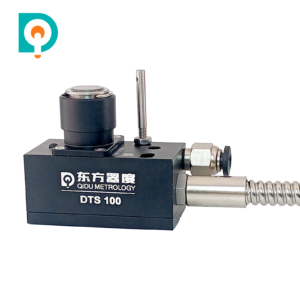
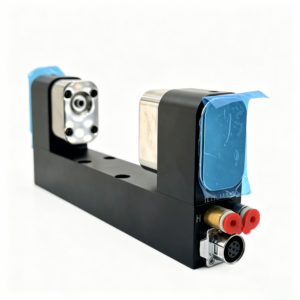
DTS100/DTS200/DTS500
Main Functions: Tool length and height measurement; supported breakage checks
Selection Considerations:Tool length and height measurement; supported breakage checks
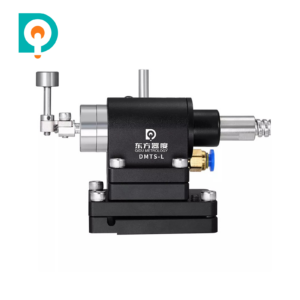
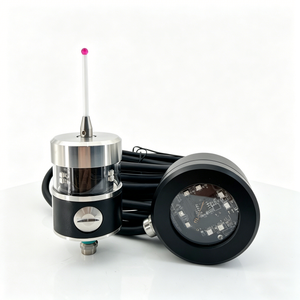
DMTS-L
Main Functions: Length and supported diameter/radius measurement
Selection Considerations:Multi-directional triggering, fixed wiring, installation space
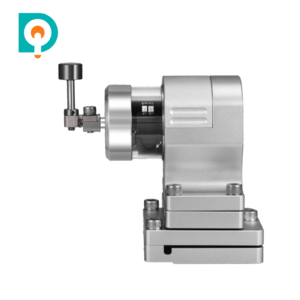
DMTS-R
Main Functions: Length and supported diameter/radius measurement
Selection Considerations:Wireless communication, receiver integration, machine movement
Z-axis tool setters are suitable when vertical tool-height measurement is the primary requirement. Multi-directional probes also respond to lateral contact, enabling additional tool geometry measurements with suitable cycles. Hard-wired systems require physical signal connections. Radio systems transmit measurement signals to a compatible receiver, making cable-free sensor installation possible. QIDU’s DTS-series photoelectric triggering technology refers to internal sensor operation—not optical signal transmission or non-contact laser measurement.
Contact vs. Non-Contact Tool Setting: Which Should You Choose
Contact and non-contact tool-setting systems both support automated tool measurement, but they operate differently and suit different machining requirements.
Contact Tool Setting
Detects physical contact with a sensor surface
Supports tool-length measurement
Supports diameter measurement on suitable multi-directional systems
May deflect very small or delicate tools
Supports programmed broken-tool checks
Requires access to the sensing surface
Contact Tool Setting
Detects interruption of a laser beam
Supports tool-length measurement
Supports diameter measurement on suitable laser systems
Avoids mechanical tool-contact forces
May support cutting-edge damage detection
Requires an unobstructed optical measurement path
Contact tool setting is ideal for routine tool-length measurement, offset verification, and breakage checks, while laser systems are better suited to very small tools and non-contact cutting-edge inspection. The best choice depends on tool geometry, measurement needs, machine configuration, and installation conditions, including coolant and chips.
Environmental protection: Review protection ratings and suitability for coolant, chips, and machining conditions.
Mounting dimensions: Confirm installation clearance and safe tool approach paths.
What Specifications Matter When Selecting a CNC Tool Setter
A suitable tool setter must satisfy the machine’s mechanical, electrical, and measurement requirements—not simply offer a favorable repeatability figure.
Measurement repeatability: Check the stated value, statistical notation (such as 2σ), measurement feedrate, and test conditions. Repeatability is not the same as absolute measurement accuracy.
Trigger directions: Confirm whether the sensor supports Z-axis measurement only or additional X/Y directions.
Trigger force: Assess suitability for the cutting tools and measurement approach.
Overtravel: Verify the permitted movement beyond the trigger point and machine stopping requirements.
Request the model-specific technical datasheet and installation drawing before final selection.
Will a Contact Tool Setter Work With Your CNC Machine
Compatibility depends on the complete tool-setting system, including mechanical installation, electrical connections, CNC control configuration, and measurement software. Contact tool-setting systems are commonly installed on vertical and horizontal machining centers, CNC milling machines, and drilling or tapping equipment.
Machine configuration: Available mounting space, table movement, spindle orientation, and safe approach paths.
CNC controller: Controller manufacturer, model, software version, and available measurement functions.
FANUC, Siemens, Mitsubishi, and other CNC controls may require different interfaces or measurement programs. Electrical signal compatibility alone does not guarantee successful integration.
Measurement cycles: Available macros, tool offset tables, calibration procedures, and alarm handling.
Where Are Contact Tool Setters Used in CNC Manufacturing
On-machine tool measurement is particularly useful when frequent tool changes, repeatable setups, and automated production make manual measurement inefficient.
CNC Milling & Machining Centers
Measure tools during setup and verify tool data after replacement, helping reduce manual intervention before machining.
Mold and Die Manufacturing
Support repeatable tool setup across operations involving different cutters and machining stages.
Precision Component Production
Maintain consistent tool measurement routines for batches requiring controlled tool offsets and repeatable setups.
Automated Machining Operations
Integrate supported tool checks between machining stages to identify significant tool damage before production continues.
How Do You Choose a Reliable Contact Tool Setter Manufacturer?
A reliable supplier should help you select and integrate a complete tool-setting system, rather than evaluate the sensor solely by its purchase price. QIDU has specialized in CNC probing and tool-setting technology since 2016, with a published manufacturing facility of approximately 3,000 m² and three production lines. Its portfolio includes Z-axis contact sensors, multi-directional wired probes, radio tool setters, and other CNC measurement products.
For OEMs, machine tool distributors, system integrators, and manufacturers, key supplier evaluation criteria include:
Verified performance specifications and measurement conditions.
Product datasheets, electrical diagrams, and mechanical drawings.
Suitable configurations for different machine installations.
CNC interface and measurement software requirements.
Installation, calibration, and troubleshooting documentation.
Quality control evidence, product traceability, and replacement-part arrangements.
Before purchasing, clarify the scope of technical support, supply arrangements, and requirements for repeat orders.
Compare QIDU’s contact tool-setting models, including Z-axis, 3D wired, and radio configurations. Explore individual products for specifications, measurement capabilities, and installation considerations.
Explore technical guides on selecting, installing, calibrating, and using contact tool-setting systems to support informed purchasing decisions and reliable CNC measurement routines.